Marshall Home Ranch: Transforming a Historic California Dairy

By Matt Dolkas,
Associate Director of Communications
February 9, 2026
The morning sun catches the gleam of solar panels mounted on the barn roof at Marshall Home Ranch. Standing in the yard of her family’s ranch—the same view her great-grandparents once held—Marissa Silva carries a quiet confidence, someone grounded in place, in a tradition of self-reliance, and in herself.
Her family has been ranching this land since 1852, when her ancestors left Ireland, bought a herd of cattle in Kentucky, and drove them by horse and wagon west to settle close to what is now Tomales. A heritage of grit, determination, and a willingness to adapt when circumstances change. Six generations later, that same spirit is showing up in new ways.
A Ranch Worth Saving
By 2000, when Marissa’s father Gary Thornton unexpectedly inherited the 1,013-acre property after his father Gordon’s sudden death, the family’s California dairy legacy faced an existential threat: estate taxes that selling the dairy herd couldn’t cover.
Working with MALT over nine years, they finalized a conservation easement in 2011. The $2.3 million easement payment covered the tax bill while permanently protecting the land for agriculture—ensuring it could never be subdivided or developed.
“If there was no MALT, the ranch would be sold by now,” Gary said at the time. “It’s that simple.”
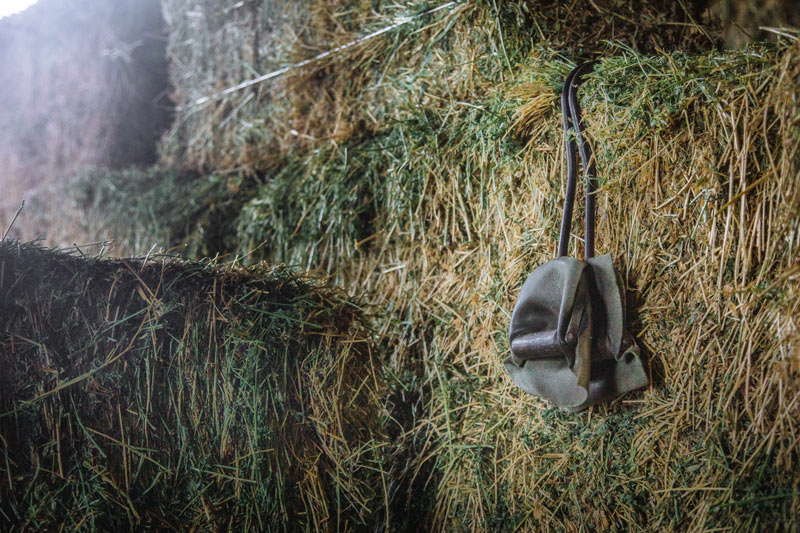 Hay forks rest against stacked bales at Marshall Home Ranch—everyday tools of the ranching life.
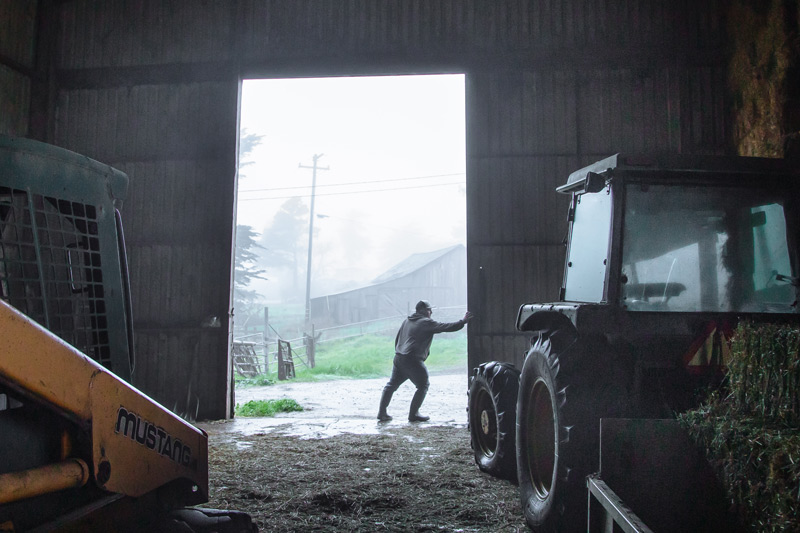 Louis Silva closes the barn door on a foggy morning at Marshall Home Ranch.
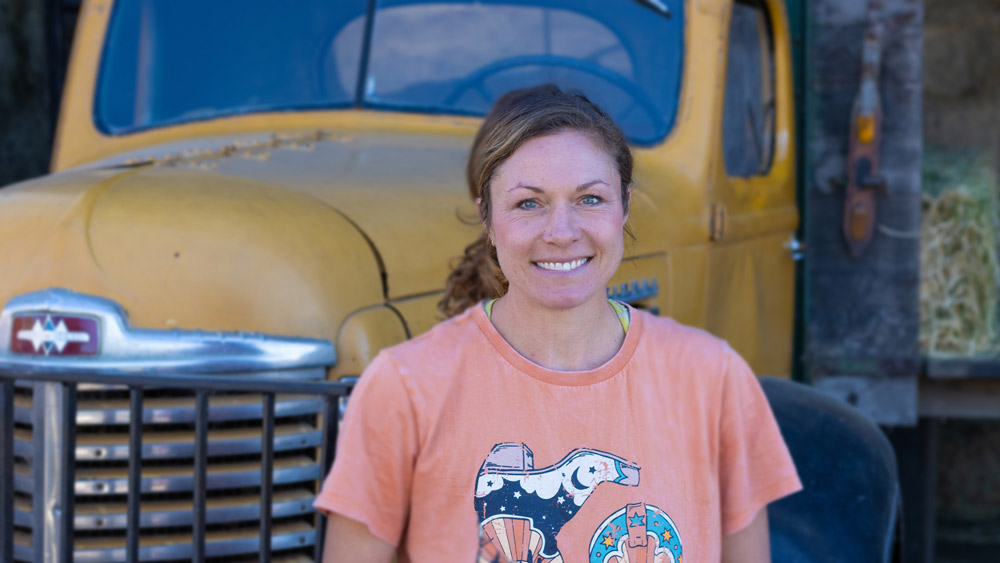 Marissa Silva represents the sixth generation of her family to ranch this land since 1852.
Starting Fresh
In 2014, fresh out of Chico State with a degree in Animal Science, Marissa revitalized the family dairy with Jersey cows and even added dairy sheep, creating what was likely California’s only operation milking both species side by side. She named it Marshall Home Ranch & Dairy in honor of those pioneering ancestors who made the journey west.
When she fell in love with neighboring dairy farmer Louis Silva and they started a family, they sold the sheep and focused on organic Jersey cow production, becoming suppliers for Straus Family Creamery.
“We both love it, and we both understand that that’s the nature of the business,” Marissa told the San Francisco Chronicle in 2019, when Louis was working 16-hour days tending their 125 dairy cows. “It’s good that we found each other, because not a lot of people understand that or would want to put up with it.”
But by 2024, the economics had shifted. Years of seeking infrastructure funding led to frustration—rising construction costs, bureaucratic hurdles, and shifting program requirements created seemingly endless roadblocks. Without proper facilities, they were feeding cattle with a four-wheeler in the rain. Their single employee lived in a travel trailer. Drought years drained resources that might have gone to improvements.
The ranch couldn’t support hiring a second person, but running it with just two meant there was barely time for anything beyond the relentless cycle of chores. After losing cattle to pneumonia in spring 2024, Marissa and Louis made the decision to transition from dairy to beef cattle production.
“We love the dairy cows. It’s in my blood,” Marissa says. “But this gives us more time as a family. It was the right decision.”
Solar panels on the barn roof at Marshall Home Ranch now power water pumps and freezers, keeping the operation running even when the grid goes down.
Building Independence
Even during the dairy years, Marissa was thinking about long-term sustainability. Since 2019, the Silvas have partnered with MALT on water infrastructure, erosion control, and invasive species management—the unglamorous work that keeps a ranch viable for the next generation.
The most recent partnership came through MALT’s small grants program: $40,000 for solar installation. The system now powers water pumps to cattle troughs—allowing for ideal care of their animals and land—along with freezers for their growing beef operation, all independent of PG&E’s aging grid. When the power goes out now, the pumps keep running. The cattle have water. The freezers stay cold.
The Silvas now sell grass-fed beef and all-natural tallow skincare products at the San Rafael Civic Center Farmer’s Market on Thursdays, with options for ranch pickup, local delivery, and shipping (give them a ring). Their certified organic pastures produce beef free of antibiotics and hormones.
For the first time in years, the Silva family took a real vacation this summer. Weekend plans don’t have to be negotiated around inflexible milking schedules. Their children are getting to know their parents beyond the rhythm of morning and evening chores.
It’s a new kind of freedom.
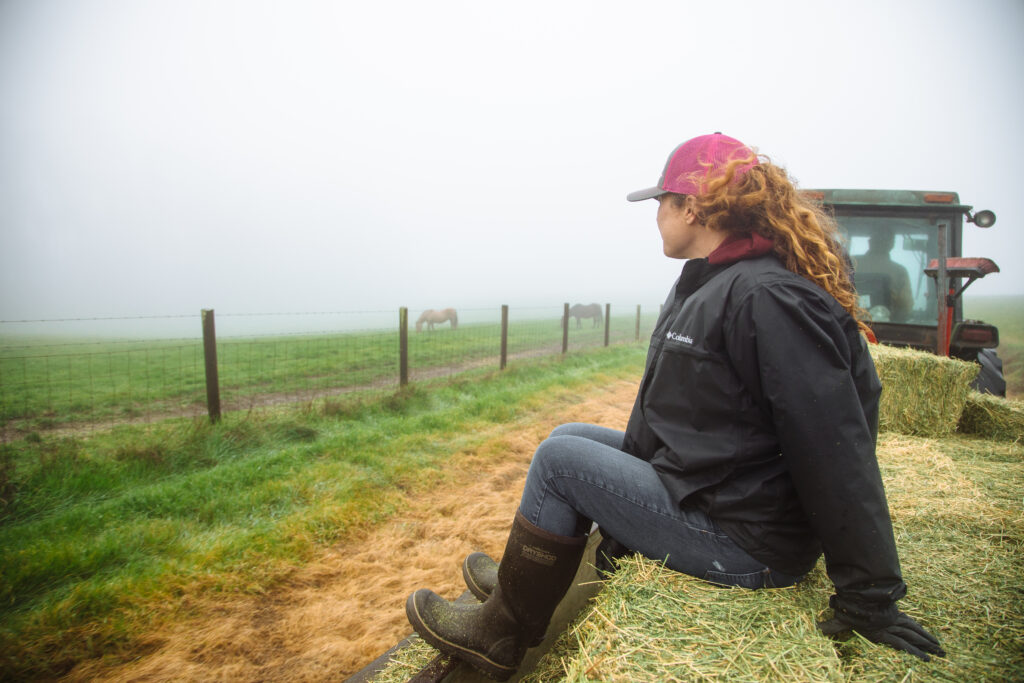
Marissa riding the hay trailer after feeding cattle on a foggy morning at Marshall Home Ranch. Photos: Michael Woolsey
The Long View
Marissa’s story shows how farmland conservation in Marin has evolved. The easement that saved her family’s ranch from estate taxes was essential—but it was only the beginning. Well-managed ranches like the Silvas’ store carbon in their soils and grasslands, protect watersheds, and maintain habitat for wildlife. The solar panels, the water systems, the improved grazing management—these aren’t just ranch improvements, it’s regional climate resilience in action.
“My family has been here for six generations,” Marissa says. “Every decision we make now has to work for the next generation too. That’s just how we think about it.”
Marissa is already planning the next phase: more freezers for expanded beef sales, improved fencing for better grazing management, continued infrastructure that makes the operation more efficient and sustainable. Each project reflects her understanding that ranching in West Marin requires both honoring tradition and embracing innovation.
The solar panels will keep generating power for decades to come. But more important than the electricity they produce is what they represent: a rancher’s vision for sustainability meeting an organization’s commitment to support working lands. Together, Marissa and MALT are writing the next chapter of a story that began in 1852—one that shows conservation isn’t just about preserving the past, but about making the future possible.
The Silva family’s solar installation was supported by MALT’s small grants program, part of our commitment to helping working ranches build climate resilience.