Teo and Máxima Zarate — The Ground They Know

By Hannah Hanssens-Reed,
September 22, 2026
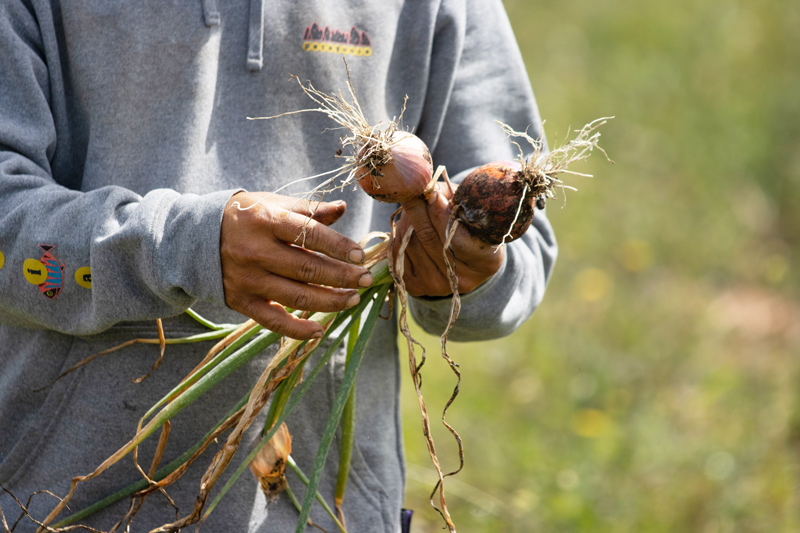
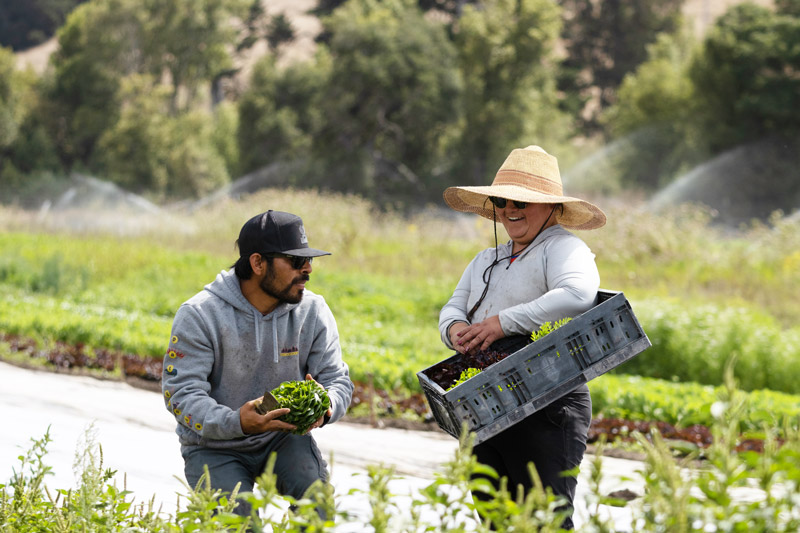
When I first met Máxima Zarate, her warm, “¡Buenos días!” called out from beneath the brim of her hat, welcoming me to their farm. We joined Teo, and all began trimming the edges of small bunches of garlic chives, talking about our families, the generations before them that farmed in Oaxaca, and the years they’d spent learning the coastal hills of Marin.
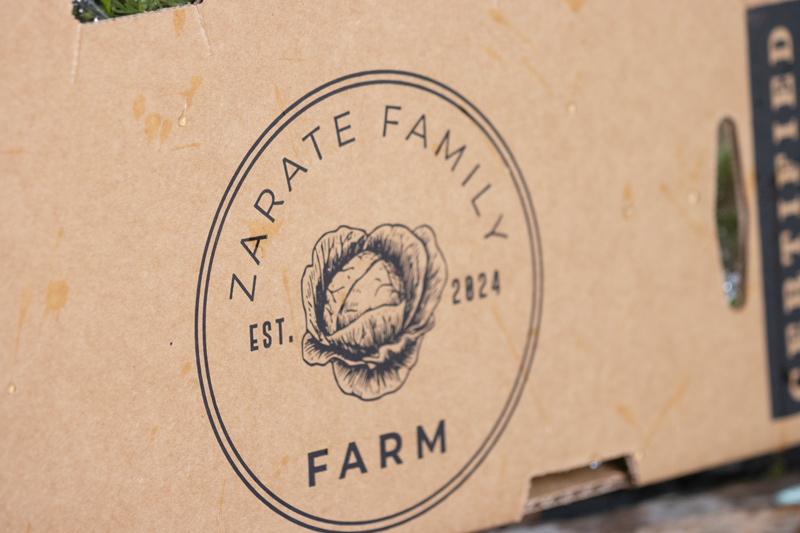
Teo and Máxima Zarate, owners of Zarate Family Farm, have worked the soils of the MALT-protected Red Hill Ranch, west of Novato in Hicks Valley, for more than fifteen years. Long enough to know when the first frost will set, when to switch the crops each season, how much water the field needs on a foggy morning in late August, which companion plants help keep insects from their organic crops. It’s wisdom they’ve earned through time, curiosity, and hard work.
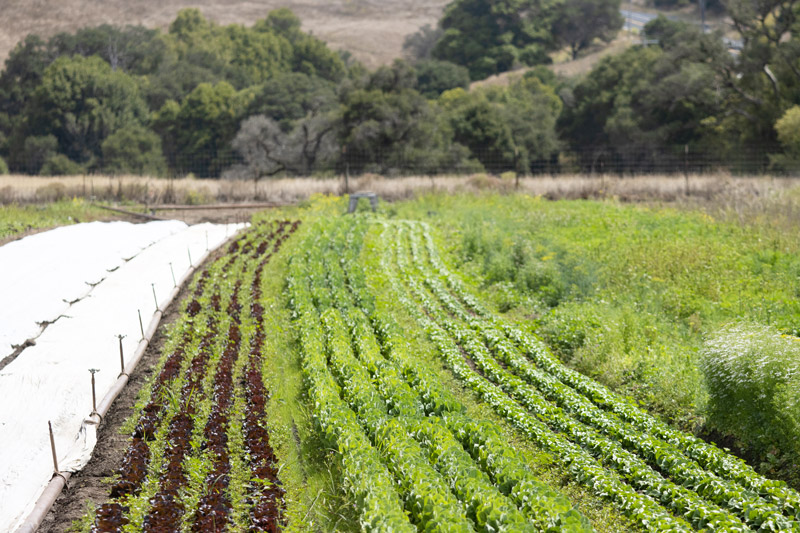
When we finished the chives, they gave me a tour of the fields the way someone might walk you through their home, unhurried, comfortable, each row woven into the fabric of their days. It’s their place, and it shows in how they move through it.
The couple got their start as day laborers for County Line Harvest, the farm David Retsky ran at the ranch and made a name with, growing delicate greens and Italian chicories that turned up at the top restaurants in the Bay Area. The ranch is one of the few places in West Marin with enough flat ground and fresh water to make a good vegetable business. It is ground that demands to be farmed, and best done by those who understand just what that takes.
Red Hill Ranch has been protected agricultural land since 2008 by the Marin Agricultural Land Trust. Protecting the land is just the beginning. Keeping it farmed is the work that follows.
A few years back, Retsky’s business carried him south to the Coachella Valley, following the winter sun that lets him grow greens all year. When he left, the decision wasn’t simple for Teo and Máxima. “We were confused,” Teo says, “but we know the land, everything.” They pulled their savings, bought his old equipment, and took over the farm.
A Year at a Time
Keeping a farm going depends on its infrastructure: water pumps, wash stations, tractors, trailers, trucks, and on labor and housing workers can afford. “Queremos construir otra greenhouse, pero no tenemos el dinero,” Máxima says. They want to build another greenhouse, but don’t have the money. Their larger one was damaged in a storm and still needs repair.
But how do you commit to any of that when you don’t know if you’ll still be farming this land in a few years? The lease at Red Hill Ranch, like most, runs a year at a time.
That uncertainty has real consequences. When drought hit Marin in 2021, fruit and vegetable acreage dropped by over 40 percent in a single year, with many growers fallowing land they couldn’t water. A field can come back. The person who spent years learning how to make it productive may not. Teo and Máxima kept farming through it, because Red Hill Ranch has a large reservoir and they know every pump tied to it. But the reservoir isn’t theirs, and neither is the ground it waters.
They’re not alone in that. Roughly 39 percent of American farmland is rented, and most of those agreements are short: a USDA survey found that 70 percent of farm leases are renewed annually. Here, where land prices have long outpaced what farming can return, leasing is often the only way in. Add in more volatile weather as the climate continues to change, unpredictable markets, and rising costs, and you have a food system that isn’t built to absorb shocks. Short leases suit both sides in the beginning. As a foundation for a community’s food supply, they’re a liability.
Teo and Máxima are still at it. They immigrated from Mexico, worked their way from hired hands to running their own farm, raised a son while building the business, and have cared for these acres every day of the year since.
The Taste of It
Máxima placed a few tusta in my palm — small, almost translucent heirloom chili peppers that come from their home of Oaxaca. Spicy on their own, she told me, but delicious sliced on tacos with lime.
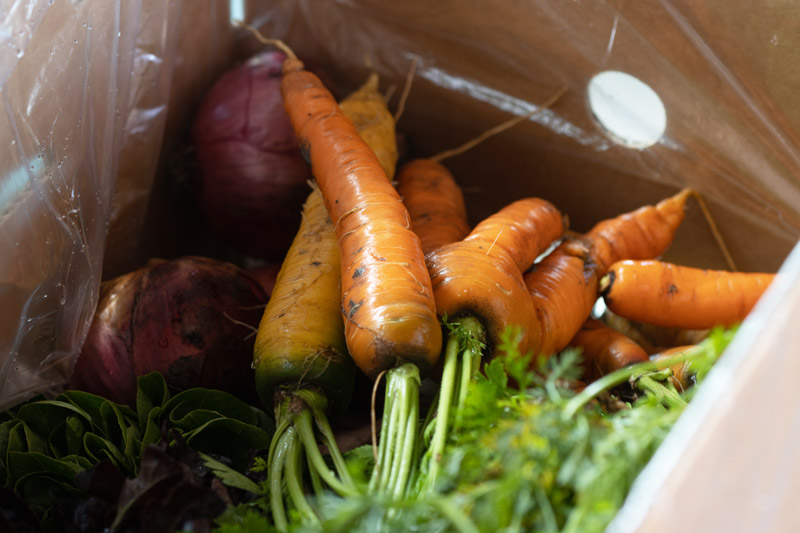
The food from Zarate Family Farm comes from two people who have tended this soil for more than fifteen years. It’s a dedication you can taste. The next generation of growers are seeds to be carefully tended, the way Teo and Máxima have tended this ground – with patience, with investment, and with the understanding that what you put in now is what comes up later.
This story is part of our Changemakers series, exploring the next generation of farmers and ranchers shaping the future of West Marin agriculture. More stories coming soon.