Chăn thả gia súc giúp giảm nguy cơ cháy rừng ở California như thế nào – Khoa học đã chứng minh điều đó.

Bài viết của Scott Dunbar, Chuyên gia về Quản trị Tài nguyên
Tháng Tám 19, 2026
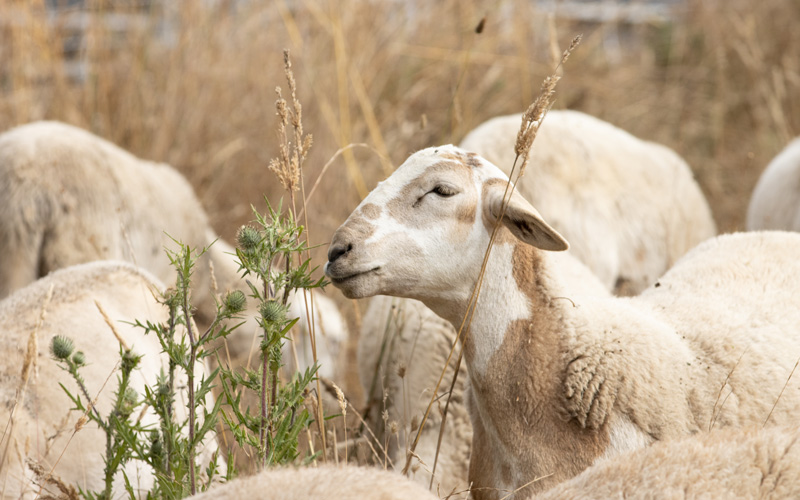
Chăn thả gia súc là một trong những biện pháp phòng chống cháy rừng hiệu quả và ít tốn kém nhất ở California. Bằng cách ăn hết cỏ và bụi rậm, gia súc ăn cỏ loại bỏ các vật liệu dễ cháy, giữ cho ngọn lửa ở mức đủ thấp để lực lượng cứu hỏa có thể dập tắt, và giảm nguy cơ cháy lan trên diện tích đất bị ảnh hưởng. Nghiên cứu trên khắp California và khu vực Vịnh San Francisco cho thấy hiệu quả của biện pháp này rất lớn, nhưng lại phụ thuộc vào hoạt động chăn nuôi tích cực.
Chắc hẳn bạn đã quen với cảm giác đó rồi. Ánh sáng chiều trở nên kỳ lạ và ngả vàng. Bạn tự hỏi liệu chất lượng không khí có nên được kiểm tra bằng ứng dụng trước khi mở cửa sổ hay quyết định hoãn chuyến đi bộ đường dài đến một ngày trời trong hơn. Ở đâu đó phía trên hướng gió, có thứ gì đó đang cháy.
Từ lâu, đó là mối lo ngại của phương Tây. Giờ đây, nó không chỉ còn là nỗi lo của riêng chúng ta nữa. Mùa hè này, khói bụi lan xa về phía đông đến nỗi người dân ở New York và Washington, D.C. cũng kiểm tra các ứng dụng tương tự và nhìn thấy cùng một ánh sáng mờ ảo.
Chúng ta không thể trốn tránh thực tế này. Cách tốt nhất là hòa mình vào mối quan hệ giữa chúng ta và đất đai. Đối với chúng tôi ở Quận Marin, việc chăn thả và chăm sóc gia súc hóa ra lại là một trong những biện pháp phòng chống cháy rừng hiệu quả nhất mà chúng tôi có.
Đây là những gì khoa học nói về gia súc đang chăn thả trên những ngọn đồi của chúng ta.
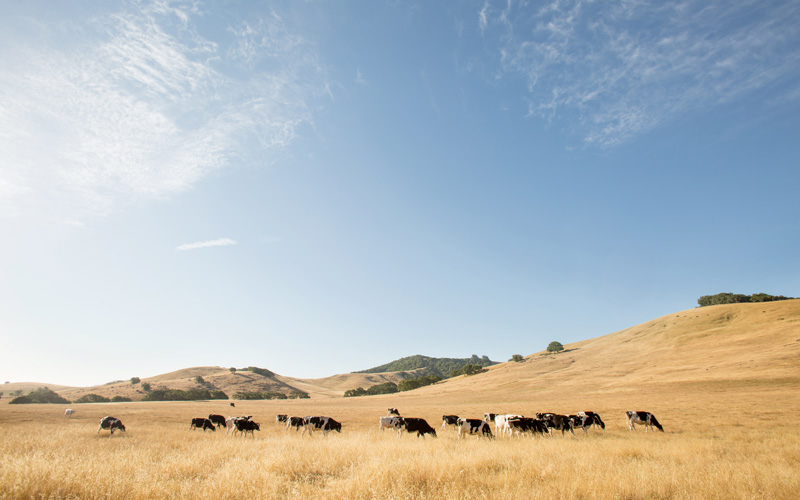
11.6 tỷ pound: lượng nhiên liệu từ chăn nuôi bị khai thác ở California chỉ trong một năm.
Đó không phải là lỗi đánh máy. Một nghiên cứu trên toàn tiểu bang do các nhà nghiên cứu của Đại học California thực hiện ước tính rằng gia súc chăn thả đã tiêu thụ 11.6 tỷ pound cỏ và các loại thực vật nhẹ khác trên các đồng cỏ của California trong một năm , công việc này được thực hiện bởi khoảng 1.8 triệu con vật. Trên toàn tiểu bang, con số này trung bình gần 600 pound mỗi mẫu Anh, nhưng nó thay đổi rất nhiều tùy theo khu vực. Một vùng đồng cỏ khô cằn ở Bờ biển Trung tâm có thể cung cấp khoảng 230 pound mỗi mẫu Anh cho việc chăn thả, trong khi vùng đồi núi San Joaquin màu mỡ hơn có thể cung cấp gần 590 pound.
Và không chỉ là lượng vật liệu bị đốt cháy, mà còn là kiểu phân bố. Gia súc thường gặm cỏ không đều, tùy thuộc vào độ phì nhiêu của đất, điều kiện khí hậu và nguồn thức ăn sẵn có, và sự không đồng nhất tự nhiên đó phá vỡ thảm cỏ khô hoặc thảm thực vật thân gỗ liên tục mà đám cháy cần để lan rộng. Các vật liệu dễ cháy bị phân tán và đa dạng sẽ khiến đám cháy khó lan rộng hơn.
Bạn có thể chứng kiến điều đó xảy ra trong một đám cháy thực tế. Khi một đám cháy bùng phát tại Khu bảo tồn không gian mở Sierra Vista , ở vùng đồi phía trên San Jose, các đội cứu hỏa đã ngăn chặn sự lan rộng của nó trong vòng vài giờ. Cơ quan quản lý không gian mở thung lũng Santa Clara, đơn vị quản lý khu bảo tồn và chăn thả gia súc ở đó để giảm lượng nhiên liệu dễ cháy, cho rằng việc chăn thả đã làm chậm đám cháy, nói rằng thảm thực vật giảm đã giúp lính cứu hỏa có đủ thời gian và không gian cần thiết để khống chế nó trước khi nó lan rộng thành điều tồi tệ hơn nhiều. Đàn gia súc đã gặm cỏ trên những ngọn đồi đó vào đầu mùa mà không phải vì một đám cháy cụ thể nào. Hóa ra, chúng đã chuẩn bị mặt đất cho một đám cháy.
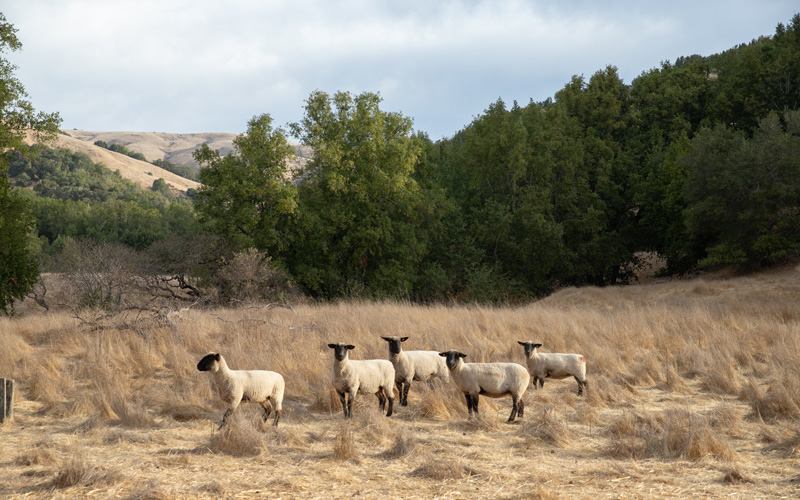
Gần một nửa: việc chăn thả gia súc đã làm giảm nguy cơ cháy rừng ở Napa và Sonoma như thế nào?
Các nhà nghiên cứu đã sử dụng dữ liệu về cháy rừng và chăn thả gia súc trong suốt 17 năm , trên hơn một triệu mẫu đất chăn thả ở Napa và Sonoma, để trả lời một câu hỏi duy nhất: liệu việc chăn thả gia súc có thực sự làm thay đổi tần suất cháy rừng hay không. Câu trả lời là có. Trên toàn bộ khu vực nghiên cứu, việc chăn thả gia súc đã làm giảm khả năng cháy trên bất kỳ mẫu đất nào trong một năm từ khoảng 1/10 xuống còn khoảng 1/20, giảm 45% . Trên những khu đất thực sự được chăn thả, tỷ lệ cháy giảm gần 90%. Ngay cả một lượng chăn thả nhỏ cũng đủ để giảm tỷ lệ cháy trên toàn bộ khu vực xuống 70%.
Phát hiện hữu ích nhất cho bất kỳ ai lập kế hoạch phòng chống cháy rừng: khi các nhà nghiên cứu mô phỏng việc bổ sung chăn thả gia súc vào các khu vực mà CAL FIRE đã đánh dấu là ưu tiên cao nhất, những nơi có mật độ dân cư cao nhất và nguy cơ cháy rừng cao nhất chồng chéo nhau, thì xác suất cháy rừng hàng năm ở những khu vực đó đã giảm 82%. Điều này cũng đúng theo chiều ngược lại. Loại bỏ chăn thả gia súc khỏi đất đai và xác suất cháy rừng sẽ tăng mạnh trở lại.
Các nhà nghiên cứu thận trọng cho rằng việc chăn thả gia súc có lẽ không tự mình làm hết mọi việc. Đất chăn thả gắn liền với các yếu tố khác của hoạt động chăn nuôi: hệ thống đường ống dẫn nước và cơ sở hạ tầng, chẳng hạn như những hệ thống được hỗ trợ bởi... MALT các chương trình dọn dẹp đường sá, và thực tế đơn giản là có người sống ở đó phát hiện khói từ sớm. Không chỉ là gia súc. Mà là tất cả những thứ đi kèm với chúng. Các đội cứu hỏa đã biết điều này. Trên thực địa, những vùng đồng cỏ chăn thả thường là nơi họ chọn để tập kết, bởi vì nó hoạt động như một rào cản ngăn lửa có sẵn.
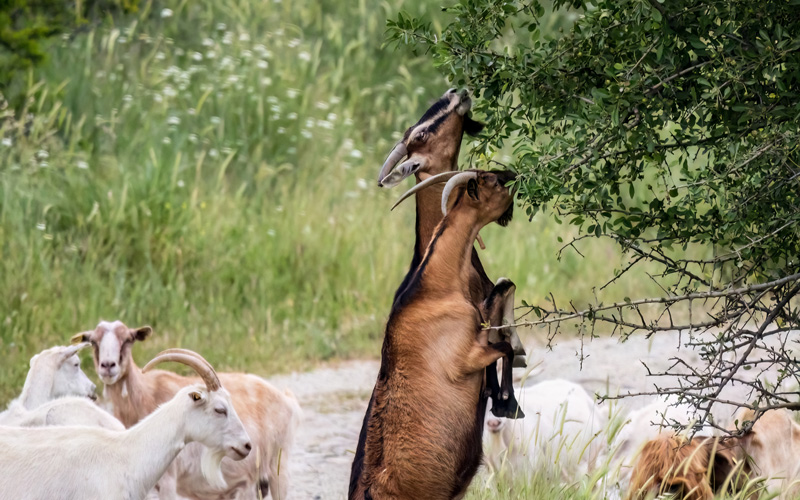
Bốn feet (khoảng 1,2 mét): chiều cao ngọn lửa quyết định ai có thể tham gia chữa cháy.
Lính cứu hỏa làm việc theo một ranh giới cứng rắn. Khi ngọn lửa bốc cao hơn khoảng 1,2 mét, tương đương chiều cao ngang thắt lưng đến ngực của một người, các đội cứu hỏa không thể tiếp tục dập lửa an toàn từ mặt đất nếu không có thiết bị hạng nặng. Dưới mức đó, mọi người có thể trực tiếp dập lửa bằng các dụng cụ cầm tay. Trên mức đó, họ phải lùi lại và chờ xe cứu hỏa, máy ủi và máy bay. Ranh giới duy nhất đó thường là sự khác biệt giữa việc dập tắt đám cháy sớm và việc để đám cháy lan rộng.
Chiều cao của cỏ quyết định giới hạn đó. Bằng cách đưa lượng nhiên liệu thực tế vào các mô hình hành vi cháy, các nhà nghiên cứu đã phát hiện ra (như đã đề cập ở điểm đầu tiên) rằng việc giữ cho cỏ được chăn thả ở một mức độ nhất định sẽ giữ cho ngọn lửa dài dưới 1,2 mét ngay cả khi gió giật mạnh đến 72 km/giờ, và điều kiện càng khô hạn và nguy hiểm thì cỏ càng phải ngắn hơn. Nếu không được chăn thả, cùng một sườn đồi đó có thể chứa lượng cỏ khô gấp hai hoặc ba lần và đẩy ngọn lửa lên cao vượt quá tầm với của đội cứu hỏa. Việc chăn thả thường tạo nên sự khác biệt giữa một đám cháy mà người ta có thể dập tắt và một đám cháy mà không ai có thể đến gần.
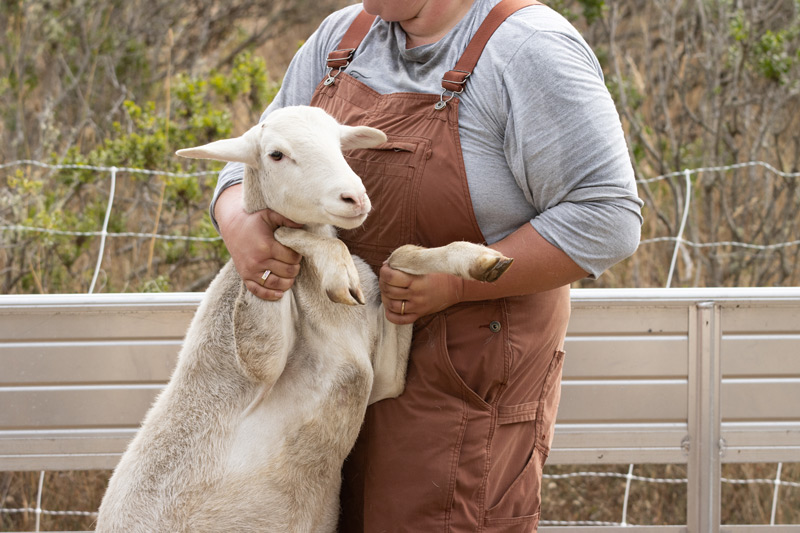
8,000 tấn: lượng khói từ cháy rừng tích tụ trong không khí.
Đây là lúc câu chuyện quay trở lại với màn sương mù trên bầu trời. Phần này không thực sự nói về cháy cỏ, loại cháy nhanh và tương đối sạch. Nó nói về việc đồng cỏ sẽ trở nên như thế nào khi không có gì gặm nhấm hoặc làm xáo trộn nó.
Dọc theo bờ biển, nơi không có động vật để giữ cho thảm thực vật không bị xói mòn, đồng cỏ trống trải dần dần được lấp đầy bởi cây bụi trước khi cuối cùng trở thành thảm thực vật thân gỗ dày đặc và rừng. Thảm thực vật thân gỗ lớn hơn đó lại là một vấn đề hoàn toàn khác. Một đồng cỏ bị chăn thả có thể chứa khoảng một tấn nhiên liệu trên mỗi mẫu Anh vào thời điểm cao điểm của mùa cháy rừng. Trong khi đó, các vùng cây bụi ven biển tự nhiên có thể chứa từ tám đến mười bảy tấn nhiên liệu trên cùng một mẫu Anh đó. Nhiều khi lượng nhiên liệu lớn hơn đồng nghĩa với đám cháy nóng hơn, kéo dài hơn, nhiều khói hơn và dữ dội hơn.
Khoảng cách này thật đáng kinh ngạc khi bạn nhìn vào con số cụ thể. Các nhà nghiên cứu ước tính rằng nếu những đồng cỏ ở vùng duyên hải phía Bắc và Trung tâm bị cháy vào năm 2020 đã biến thành bụi rậm, thì những đám cháy đó sẽ thải ra thêm tới 8,000 tấn ô nhiễm hạt mịn , tức là PM2.5 mà ứng dụng chất lượng không khí của bạn cảnh báo, loại ô nhiễm có thể trôi theo gió và lắng đọng trong phổi.
Theo ước tính của họ, đây là nơi chăn thả gia súc có tác dụng lớn nhất trong việc giảm khói cháy rừng. Không phải là cỏ mà gia súc ăn trong bất kỳ mùa hè nào, mà là bụi rậm mà chúng ngăn chặn qua nhiều năm. Và nó có tác dụng tốt nhất chính xác ở nơi bạn muốn, trên vùng đất trống ở phía ngược chiều gió so với nơi dân cư sinh sống. Chăn thả giữ cho cỏ vẫn là cỏ, và đồng cỏ vẫn là đồng cỏ. Đó là một nửa yên tĩnh của không khí trong lành ở đây.
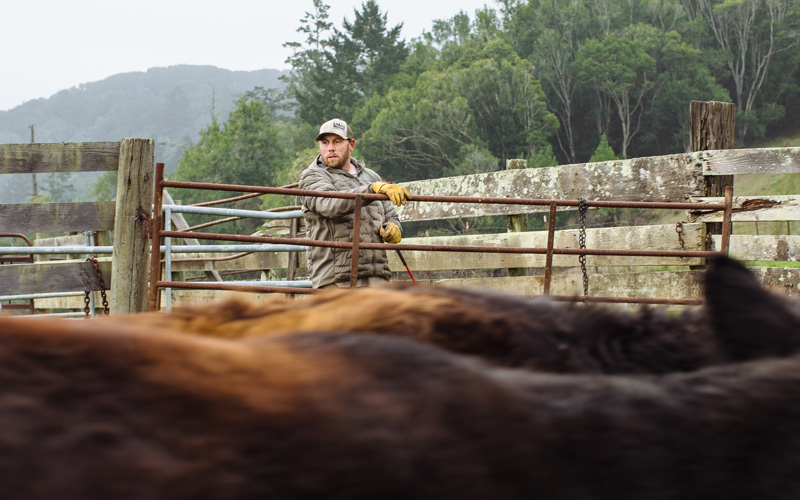
Không gì còn sót lại sau khi trang trại biến mất.
Vấn đề mấu chốt nằm ở chỗ này, và đó là lý do tại sao điều này thuộc về tất cả mọi người chứ không chỉ những người chăn nuôi gia súc. Ngành chăn nuôi ở California tồn tại gần như hoàn toàn dựa vào những nguồn lực ít ỏi. Đối với hầu hết các trang trại, chỉ riêng việc chăn nuôi gia súc không mang lại lợi nhuận. Hầu hết các chủ trang trại, và nhiều người ở Marin, duy trì hoạt động bằng thu nhập ngoài trang trại và các công việc thứ hai, lao động gia đình không bao giờ được ghi tên trong bảng lương, và áp lực bán đất ngày càng gia tăng.
Khi một trang trại đóng cửa và gia súc bỏ đi, cỏ mọc dài, các loài cỏ ngoại lai dễ cháy hơn mọc lên, bụi rậm lan rộng, và mọi thứ ở trên đều đảo ngược. Nhiên liệu lại xuất hiện. Ngọn lửa bùng lên cao hơn. Khói trở nên ô nhiễm. Bảo vệ trang trại và bảo vệ thị trấn ở phía hạ lưu hóa ra lại là cùng một hành động, chỉ khác nhau ở góc nhìn.
Toàn bộ vấn đề là như vậy, và nó không hề phức tạp. Mỗi mẫu đất chúng ta giữ để chăn thả gia súc là một mẫu đất mà vật nuôi vẫn đang làm việc, ăn hết nhiên liệu, giữ cho ngọn lửa đủ nhỏ để dập tắt, giữ cho bụi rậm và khói bẩn của nó không bay lên các sườn núi. Ở miền Tây, bảo tồn và thực hành chăn thả tốt không phải là điều tách rời khỏi khả năng chống cháy rừng. Chúng là những công cụ tốt nhất chúng ta có để làm điều đó.
____________
Scott Dunbar là một MALT chuyên gia quản lý và một Quản lý đồng cỏ được chứng nhận với bằng Thạc sĩ về sinh thái học đồng cỏ.
dự án
Foss, Roxanne H., Matthew Wk. Shapero, Shane L. Dewees, Jeffery W. Stackhouse, Lenya N. Quinn-Davidson và Luke T. Macaulay. 2026. “ Ngưỡng sinh khối đồng cỏ quan trọng đối với hành vi cháy rừng ở California. ” California Agriculture: Tạp chí Nông nghiệp và Tài nguyên Thiên nhiên của Đại học California 80 (tháng 6).
Ratcliff, F., et al. 2022. “ Chăn thả gia súc làm giảm lượng nhiên liệu và dẫn đến hành vi cháy dễ kiểm soát hơn. ” Nông nghiệp California 76:60–69.
Ratcliff, F., et al. 2023. “ Chăn thả gia súc làm giảm lượng khí nhà kính và bụi mịn phát thải từ các vụ cháy rừng trên đồng cỏ ở California .” Bền vững 15(18):13539.
Starrs, GI, KJ Siegel, S. Larson, và V. Butsic. 2024. “ Định lượng tác động quy mô lớn của việc chăn thả gia súc đối với xác suất cháy hàng năm ở các quận Napa và Sonoma, California. ” Sinh thái và Xã hội 29(3):10.
Wetzel, W., et al. 2012. “ Phân tích cho thấy tác động tiềm tàng đến đồng cỏ nếu Đạo luật Williamson bị bãi bỏ. ” Nông nghiệp California 66:131–136.
Thêm những câu chuyện như thế này:
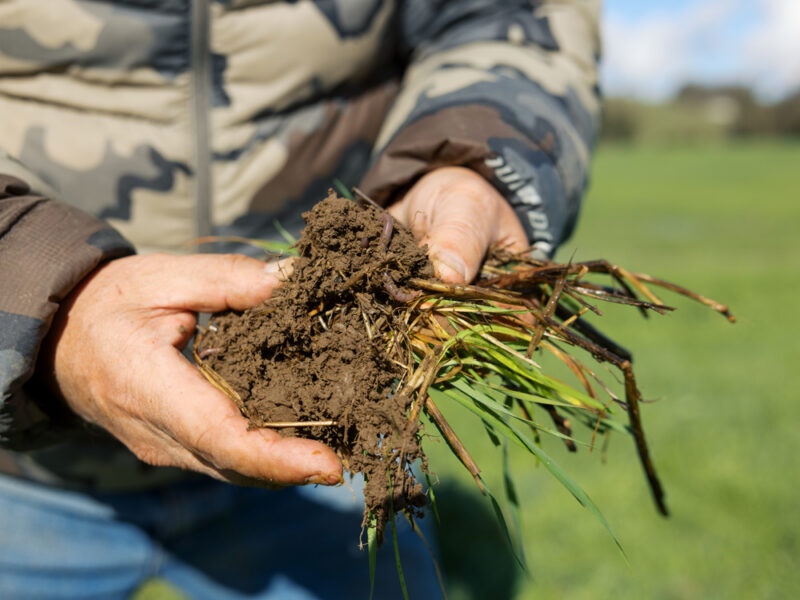
Điều gì đang tồn tại trong một nắm đất?
5 Tháng Mười
Chỉ cần nắm một nắm đất, bạn sẽ thấy mình đang cầm trên tay cả một thành phố — nơi mà hầu hết cư dân đều săn bắn lẫn nhau.

Nơi tìm thấy bí ngô ở Quận Marin
Tháng Chín 28, 2026
Chúng tôi mang đến cho bạn thông tin mới nhất về nơi để tận hưởng vụ thu hoạch trong mùa, tham gia vào những thú vui mùa thu ma quái và chọn cách trang trí bầu theo mùa cho ngôi nhà của bạn.
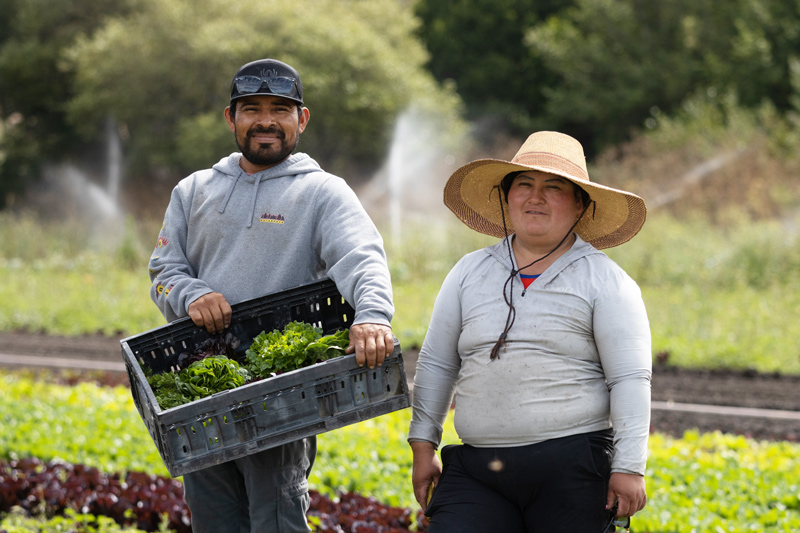
Teo và Máxima Zarate — Vùng đất họ biết
Tháng Chín 22, 2026
Teo và Máxima Zarate, chủ sở hữu của trang trại gia đình Zarate, đã canh tác trên mảnh đất này. MALT- Đã bảo vệ trang trại Red Hill, phía tây Novato ở Hicks Valley, trong hơn mười lăm năm.